
Cutting thin materials presents unique challenges for manufacturing plants across industries. Choosing the best die for thin materials, such as foams, laminates, adhesive-backed labels and nonwovens, may require a custom solution tailored to your specific application.
The Challenge of Die-Cutting Thin Materials
The main challenge of die-cutting with thin-layer materials is controlling the material without letting it flex during the cutting process. Typically, thin-layer materials like foams and laminates are strong enough to resist the die blade yet flexible enough to move under its pressure. This elasticity increases the risk of the material becoming distorted, which can cause defects in product quality.
Evaluating Your Thin Material Cutting Solutions
Choosing the right cutting solution for thin materials involves carefully assessing various factors, including:
We have the skills and expertise to provide you with die cutting solutions you can depend on. Ready to experience the Best Cutting Die difference? Contact our knowledgeable team today by completing our online form or calling us at (847) 654-9520.
- Material type: The thinner and more flexible your material, the more likely it is to distort under uneven pressure. Tackiness and thickness are also critical considerations when selecting cutting dies.
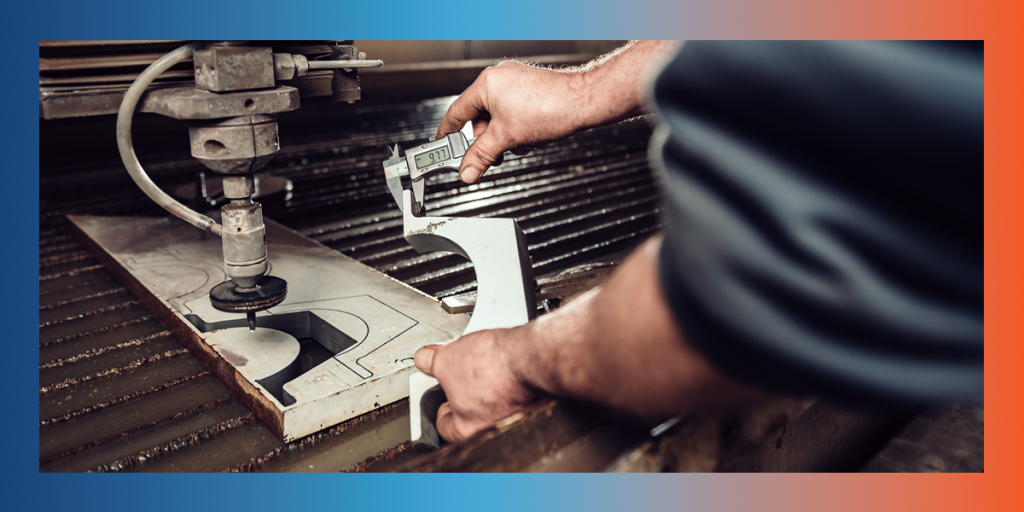
- Desired precision: Tight tolerances require a tool that provides consistent, even pressure during the cut to ensure quality products.
- Production volume: Generally, rotary dies are better for high-volume runs than flatbed dies.
- Cost-effectiveness: The cost-effectiveness of the cutting tool you use depends on how much product you intend to produce. High-volume runs are most cost-effective when completed with continuous rotary dies, while flatbed dies are preferable for low-volume runs.
Rotary Dies vs. Flatbed Dies
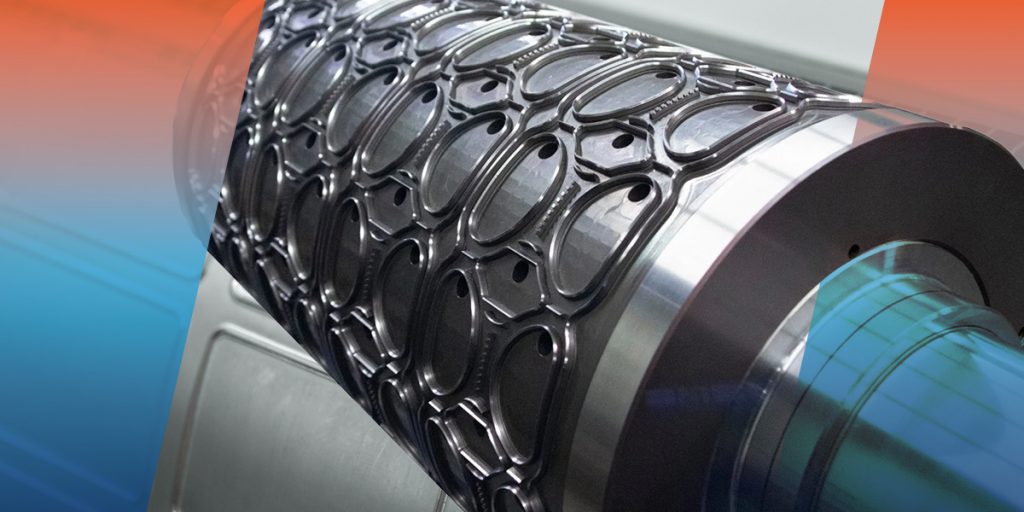
A rotary die uses a continuous rolling process to cut high volumes in a short period of time. It looks like a cylindrical drum with steel cutting dies attached to it, and it cuts by rotating and coming into contact with the material being fed through it with a conveyor.
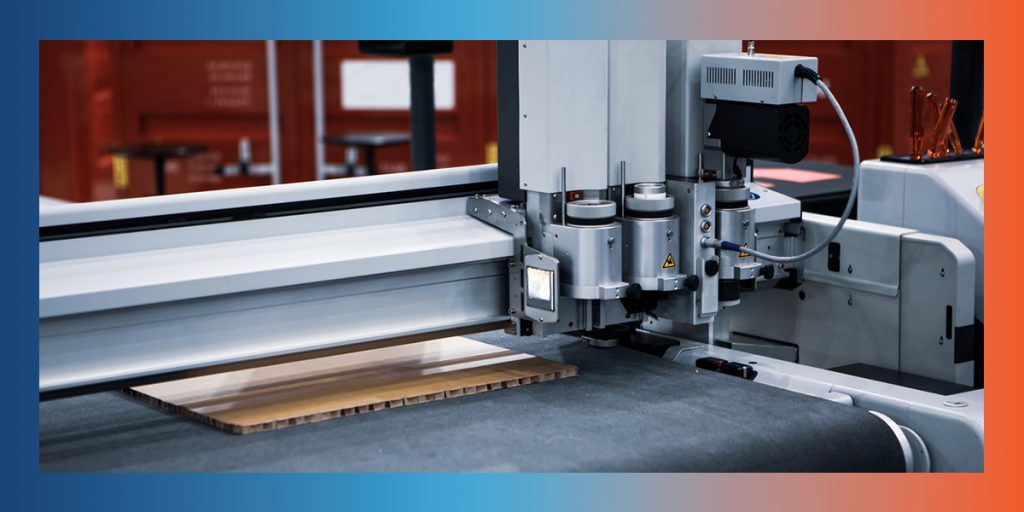
Flatbed dies, however, are more appropriate for the opposite situations. While using flatbed dies for thin materials can work, they’re best suited to short production runs where you can cut all your pieces in one go.
Kiss-Cutting vs. Through-Cutting
Through-cutting involves cutting through all the layers in one stack. It uses greater force than kiss-cutting, which makes it more advantageous for thicker, more robust materials. This mechanism also makes it better suited to low-volume runs than kiss-cutting.
Kiss-cutting is generally a better option for thin-layer materials than through-cutting because it’s faster and puts less pressure on the blades. For example, kiss-cutting lets you cut only the top layer of an adhesive sheet while leaving the backing intact.
Choosing Custom Cutting Dies for Adhesives, Films and Nonwovens
A custom cutting die offers several advantages that an off-the-shelf solution does not:
- Cleaner edges and improved appearance: Custom dies are tailored to your specific requirements for appearance, producing crisp, clean cuts.
- Reduced material waste: You can nest parts with custom dies, enabling you to reduce the amount of costly adhesive and nonwoven scrap produced.
- Faster production: Once installed, custom dies support rapid, repeatable cutting for high-volume runs.
Here are some tips you can use when choosing tools for cutting thin adhesives and other similar materials.
Adhesives
Choosing off-the-shelf cutting tools for adhesive materials can often result in torn sheets, frayed edges and adhesive buildup sticking to the tool. Rotary dies are ideal for adhesive tape die-cutting because they continue moving, which ensures even pressure across the substrate and reduces the risk of warping.
Films
Die-cutting films can be challenging due to their elasticity and resistance. A custom die tailored to the specific film you’re using can help you kiss-cut your materials without cutting through the adhesive backing.
Nonwovens
Nonwovens are fibrous and ductile, which present a unique challenge for precision die-cutting tools. Frayed edges, fiber pulling and incomplete separation are common defects you might notice.
Why Partner With Best Cutting Die?
Finding a reliable manufacturing partner is an essential step when designing tools for cutting thin films and foams.
At Best Cutting Die, we have extensive experience working with companies across various industries, including:
- Envelope converting
- Labels and direct mail
- Packaging
- Nonwoven, medical and personal care
Learn more about our custom die-cutting services with built-to-order dies, and request a quote easily through our website.
Contact Best Cutting Die Today for Personalized Recommendations
As the country’s leading die casting company since 1966, we manufacture innovative products to help our customers improve their operational efficiency. Our team of engineers works hard to research, design, engineer and reengineer dies of the highest quality for customers across a wide range of industries.
Ready to optimize your thin material cutting processes, reduce waste and achieve superior results? Our expert team is here to help you develop a solution uniquely tailored to your facility and application. Contact us today to request your quote.