


What Materials Are Commonly Used in Cutting Dies for Packaging Production?
Every missed cut and unclean edge results in wasted material and time. For packaging manufacturers, production errors
shrink margins. Understanding what materials are commonly used in cutting dies for packaging production gives you
better control over durability, precision and profitability.
Explore the three most common cutting die materials, how each performs and when to partner with an engineering team
for projects.
Die Material Selection Is Critical for Your Bottom Line
Your choice of die material shapes your converting operation. Durable die materials have the potential to hold their
edge through thousands of impressions, enabling you to skip on unnecessary replacement costs and downtime.
The right precision cutting die materials deliver clean separations without tearing. When the die material is
incompatible with sticky adhesives or rigid corrugated board, you lose that precision, leading to higher reject rates
and rework. Additionally, run speed drops when die material forces operators to slow the press.
We have the skills and expertise to provide you with die cutting solutions you can depend on. Ready to experience the Best Cutting Die difference? Contact our knowledgeable team today by completing our online form or calling us at (847) 654-9520.
Common Cutting Die Materials for Packaging
Matching the material to your application determines whether the tooling lasts temporarily or for prolonged periods.
Steel Rule Dies (Bendable Steel)
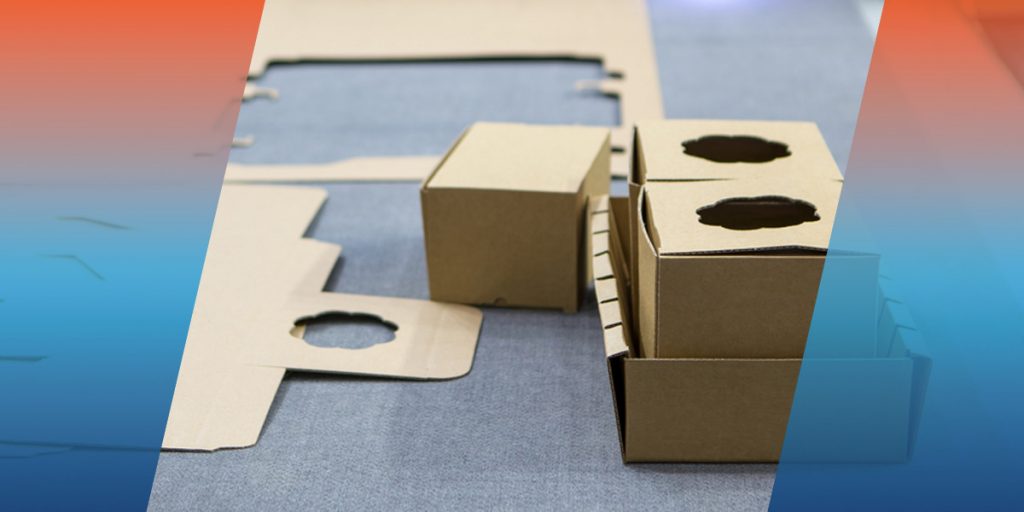
Steel rule dies are associated with corrugated board and paperboard converting. These tools use a bendable steel
insert in a plywood or composite base, with an ejection rubber pushing the material clear.
Short- to medium-production runs benefit from steel rule dies, as the rule bends into intricate shapes without
specialized machining. Limitations do appear at higher volumes. Steel rule dulls faster than hardened alternatives,
especially with abrasive substrates. For runs exceeding 50,000 impressions or applications requiring sub-millimeter
precision, consider solid rotary cutting dies.
Solid Rotary Cutting Dies (Hardened Steel)
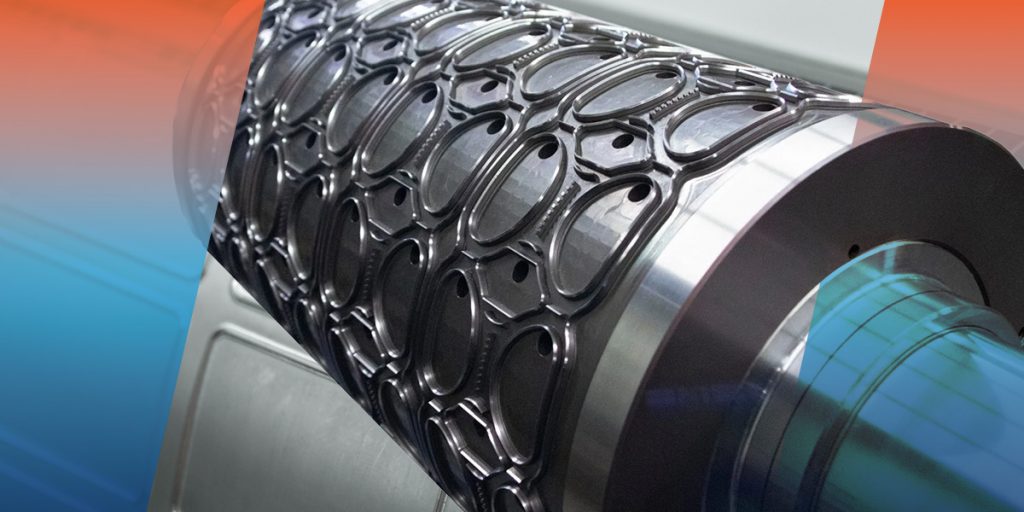
Rotary cutting dies are appropriate for high-volume production. These cylindrical tools are machined from hardened
steel and mounted on rotary presses where they cut continuously. The rolling contact allows speeds far beyond flatbed
systems.
High-volume paper and film converting operations depend on rotary cutting dies. Label manufacturers, packaging converters and envelope producers use these tools to maintain fast line speeds without sacrificing cut quality. The hardened steel can hold its edge through millions of impressions, making rotary dies ideal for extended production runs.
A well-maintained rotary die often serves multiple campaigns before the need for resharpening. Initial cost runs
higher, but per-impression expenses can drop dramatically in high-volume scenarios.
Coated and Treated Steel Dies
Select substrates demand more than what standard steel can handle. Coatings and treatments transform traditional die
materials to create tools that resist wear and extend service life.
Abrasive materials, such as pressure-sensitive adhesives or textured films, degrade untreated steel. Titanium nitride or chromium coatings harden the cutting edge and prevent material buildup that causes jagged cuts. Sticky adhesives
accumulate residue on uncoated dies. However, treated surfaces repel these materials, keeping the edge clean.
Converters processing tape products, medical adhesives or food packaging rely on coated dies to maintain throughput.
When your substrate contains silica or metallic inks, coatings can double impressions between resharpening services.
Partner With an Engineer for Packaging Manufacturing Dies
Every converting operation runs under unique conditions. Substrate variations, press speeds and quality tolerances all influence die performance. Having an experienced engineering team analyze the materials you convert, your volume targets and the tolerances your customers expect is beneficial for protecting your bottom line.
Best Cutting Die has served the packaging and converting industries since 1966, bringing several decades of process knowledge to every project. Our team functions as consultative engineers who reverse-engineer existing tooling, optimize designs and recommend material choices based on production data. Complete in-house capabilities give us control over the quality and delivery of your packaging manufacturing dies.
Get the Right Tooling to Protect Your Production Goals
Selecting the right die material determines whether you hit production targets or watch waste piles grow. Production
variables demand engineering insight — someone who can transform your process into tooling specifications that work.
Get a custom die quote from Best Cutting Die’s engineers today and let us build die-cutting tools for packaging that meet your exact specifications.